

-
Table of Contents
- Introduction
- AI And The Future Of Higher Education
- The Role Of AI In Lifelong Learning
- AI For STEM Education
- Virtual Reality And AI In Education
- AI In Language Learning
- The Impact Of AI On Educational Equity
- AI-Driven Assessment And Feedback
- Gamification In AI Education
- AI And Student Data Privacy
- Ethical Considerations In AI Education
- AI Tools For Teacher Professional Development
- The Role Of AI In Special Education
- How AI Is Transforming Homework Help
- AI-Powered Personalized Learning
- The Future Of AI In Classrooms
- Q&A
- Conclusion
“Empowering Minds with Intelligent Learning”
Introduction
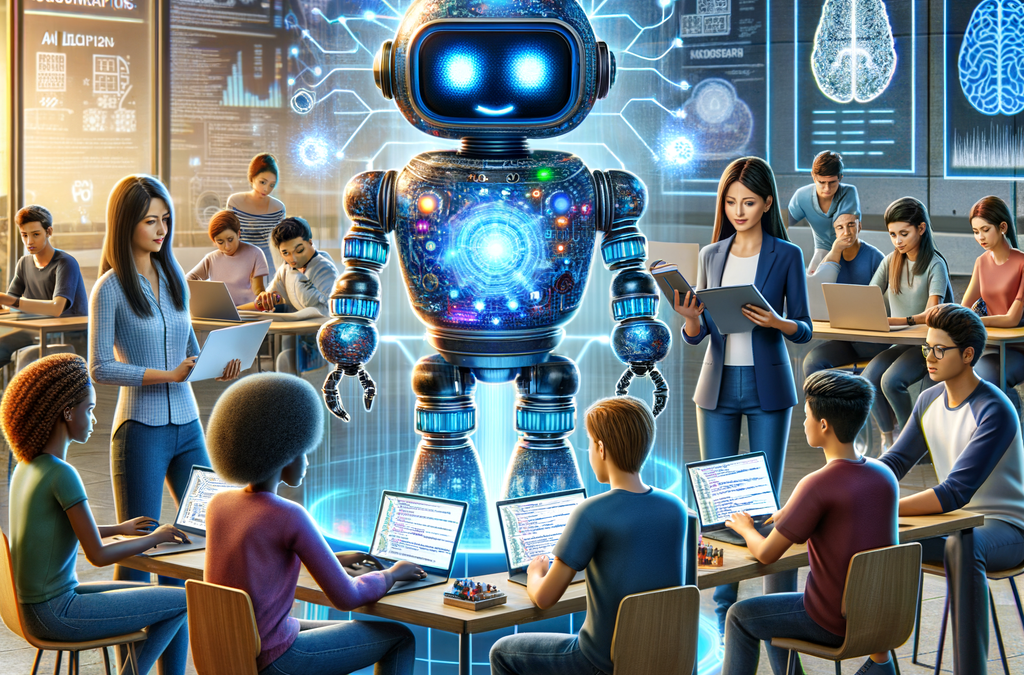
Artificial Intelligence (AI) Education encompasses the study and application of AI technologies and principles within various educational contexts. It aims to equip learners with the knowledge and skills necessary to understand, develop, and utilize AI systems. This field covers a broad spectrum of topics, including machine learning, natural language processing, robotics, and data science. AI Education is increasingly integrated into curricula at all levels, from primary schools to higher education and professional training programs. It emphasizes critical thinking, problem-solving, and ethical considerations, preparing students to navigate and contribute to a world where AI plays a pivotal role in shaping industries, economies, and societies.
AI And The Future Of Higher Education
Artificial Intelligence (AI) is rapidly transforming various sectors, and higher education is no exception. As institutions of higher learning strive to adapt to the evolving technological landscape, AI emerges as a pivotal tool that promises to revolutionize the educational experience. The integration of AI in higher education is not merely a trend but a significant shift that holds the potential to enhance learning outcomes, streamline administrative processes, and personalize education.
To begin with, AI’s role in personalizing education cannot be overstated. Traditional education models often adopt a one-size-fits-all approach, which may not cater to the diverse learning needs of students. AI, however, offers the capability to tailor educational content to individual learning styles and paces. Through sophisticated algorithms, AI can analyze a student’s performance, identify strengths and weaknesses, and provide customized resources and feedback. This level of personalization ensures that students receive the support they need to succeed, thereby improving overall academic performance.
Moreover, AI-powered tools are transforming the way educators deliver content. Intelligent tutoring systems, for instance, can provide real-time assistance to students, offering explanations and answering questions as they arise. These systems can simulate one-on-one tutoring experiences, making high-quality education accessible to a broader audience. Additionally, AI can assist in creating adaptive learning environments where the curriculum dynamically adjusts based on the learner’s progress. This adaptability not only keeps students engaged but also fosters a deeper understanding of the subject matter.
In addition to enhancing the learning experience, AI is streamlining administrative tasks within higher education institutions. Administrative processes such as admissions, scheduling, and grading can be time-consuming and prone to human error. AI-driven solutions can automate these tasks, ensuring efficiency and accuracy. For example, AI can analyze application data to identify the most suitable candidates for admission, thereby expediting the selection process. Similarly, AI can assist in creating optimal class schedules that accommodate both students’ preferences and faculty availability. By automating grading, AI can provide timely and objective assessments, allowing educators to focus more on teaching and less on administrative duties.
Furthermore, AI is playing a crucial role in advancing research within higher education. AI algorithms can process vast amounts of data at unprecedented speeds, enabling researchers to uncover patterns and insights that would be impossible to detect manually. This capability is particularly valuable in fields such as medicine, engineering, and social sciences, where data-driven discoveries can lead to significant advancements. AI can also facilitate interdisciplinary research by connecting scholars from different fields and identifying potential areas of collaboration.
Despite the numerous benefits, the integration of AI in higher education also presents challenges that must be addressed. Concerns regarding data privacy and security are paramount, as the use of AI involves the collection and analysis of sensitive information. Institutions must implement robust measures to protect student data and ensure compliance with relevant regulations. Additionally, there is the issue of digital equity. While AI has the potential to democratize education, disparities in access to technology can exacerbate existing inequalities. It is imperative for institutions to ensure that all students have access to the necessary resources to benefit from AI-enhanced education.
In conclusion, AI is poised to reshape the future of higher education by personalizing learning, streamlining administrative processes, and advancing research. As institutions navigate this transformation, it is essential to address the associated challenges to fully realize the potential of AI. By doing so, higher education can become more efficient, inclusive, and responsive to the needs of students and society at large.
The Role Of AI In Lifelong Learning
Artificial Intelligence (AI) has become an integral part of modern education, significantly transforming the landscape of lifelong learning. As the world continues to evolve at a rapid pace, the necessity for continuous education and skill development has never been more critical. AI, with its advanced capabilities, offers innovative solutions to meet these demands, thereby playing a pivotal role in lifelong learning.
To begin with, AI facilitates personalized learning experiences, which are essential for effective lifelong learning. Traditional education systems often adopt a one-size-fits-all approach, which may not cater to the diverse needs of individual learners. AI, however, can analyze vast amounts of data to understand a learner’s strengths, weaknesses, and preferences. By doing so, it can tailor educational content to suit each learner’s unique requirements, thereby enhancing the learning experience. For instance, AI-driven platforms can recommend specific courses, resources, and study plans based on a learner’s progress and goals, ensuring that they receive the most relevant and effective education.
Moreover, AI-powered tools and applications provide learners with immediate feedback, which is crucial for continuous improvement. In conventional educational settings, feedback is often delayed, hindering the learning process. AI, on the other hand, can instantly assess a learner’s performance and provide constructive feedback. This real-time evaluation helps learners identify their mistakes and rectify them promptly, thereby fostering a more efficient and effective learning process. Additionally, AI can track a learner’s progress over time, offering insights into their development and areas that require further attention.
Furthermore, AI enhances accessibility to education, making lifelong learning more inclusive. Many individuals face barriers to education due to geographical, financial, or physical constraints. AI-driven platforms can overcome these obstacles by providing remote learning opportunities. Online courses, virtual classrooms, and AI tutors enable learners from diverse backgrounds to access quality education from anywhere in the world. This democratization of education ensures that lifelong learning is not limited to a privileged few but is available to all who seek it.
In addition to accessibility, AI also supports the development of essential skills for the future workforce. As industries continue to evolve, the demand for new skills and competencies is ever-increasing. AI can identify emerging trends and skill gaps, guiding learners towards acquiring the knowledge and abilities needed to stay relevant in the job market. For example, AI can analyze job postings and industry reports to determine the most sought-after skills, subsequently recommending relevant courses and training programs. This proactive approach ensures that learners are well-equipped to meet the demands of the future workforce.
Moreover, AI fosters a culture of continuous learning by making education more engaging and interactive. Traditional learning methods can often be monotonous, leading to disengagement and a lack of motivation. AI, however, can create immersive learning experiences through gamification, virtual reality, and interactive simulations. These innovative approaches make learning more enjoyable and stimulating, encouraging learners to pursue education throughout their lives.
In conclusion, the role of AI in lifelong learning is multifaceted and transformative. By offering personalized learning experiences, providing immediate feedback, enhancing accessibility, supporting skill development, and fostering engagement, AI is revolutionizing the way individuals approach education. As the world continues to change, the importance of lifelong learning cannot be overstated, and AI stands as a powerful ally in this endeavor. Through its advanced capabilities, AI ensures that education is not a finite journey but a continuous process of growth and development.
AI For STEM Education
Artificial Intelligence (AI) has emerged as a transformative force across various sectors, and its integration into STEM (Science, Technology, Engineering, and Mathematics) education is proving to be particularly impactful. The incorporation of AI in STEM education is not merely a trend but a significant shift that promises to enhance learning experiences, foster innovation, and prepare students for a future where AI will be ubiquitous. As we delve into the implications and applications of AI in STEM education, it becomes evident that this technological advancement is reshaping the educational landscape in profound ways.
To begin with, AI-powered tools and platforms are revolutionizing the way STEM subjects are taught and learned. These tools offer personalized learning experiences by adapting to the individual needs and learning paces of students. For instance, AI-driven educational software can analyze a student’s performance in real-time, identifying strengths and weaknesses, and subsequently tailoring content to address specific learning gaps. This level of customization ensures that students receive the support they need to master complex STEM concepts, thereby enhancing their overall academic performance.
Moreover, AI facilitates the creation of immersive and interactive learning environments. Virtual laboratories and simulations powered by AI allow students to conduct experiments and explore scientific phenomena in a risk-free, virtual setting. These virtual labs provide opportunities for hands-on learning that might otherwise be limited by resource constraints in traditional classroom settings. By engaging with these interactive tools, students can develop a deeper understanding of scientific principles and engineering practices, which is crucial for their future careers in STEM fields.
In addition to enhancing individual learning experiences, AI also plays a pivotal role in supporting educators. AI-driven analytics can provide teachers with valuable insights into student performance and engagement. By analyzing data on student interactions, AI can help educators identify patterns and trends that may not be immediately apparent. This information enables teachers to make informed decisions about instructional strategies, thereby improving the effectiveness of their teaching. Furthermore, AI can automate administrative tasks such as grading and attendance tracking, allowing educators to focus more on teaching and mentoring students.
Transitioning from the classroom to the broader educational ecosystem, AI is also instrumental in promoting inclusivity and accessibility in STEM education. AI-powered assistive technologies, such as speech-to-text and text-to-speech applications, can support students with disabilities, ensuring that they have equal access to educational resources. Additionally, AI can help bridge language barriers by providing real-time translation services, making STEM education more accessible to non-native speakers. These advancements contribute to creating a more inclusive learning environment where all students have the opportunity to succeed.
As we consider the future implications of AI in STEM education, it is important to acknowledge the potential challenges and ethical considerations. The reliance on AI-driven tools raises questions about data privacy and security, as well as the need for transparency in AI algorithms. Educators and policymakers must work together to establish guidelines and best practices that ensure the responsible use of AI in education. Furthermore, there is a need for ongoing professional development for educators to effectively integrate AI into their teaching practices.
In conclusion, the integration of AI in STEM education holds immense promise for enhancing learning experiences, supporting educators, and promoting inclusivity. By leveraging AI technologies, we can create a more personalized, interactive, and accessible educational environment that prepares students for the challenges and opportunities of the future. As we navigate this transformative journey, it is essential to address the associated challenges and ensure that the benefits of AI in education are realized for all students.
Virtual Reality And AI In Education
The integration of Virtual Reality (VR) and Artificial Intelligence (AI) in education is revolutionizing the way students learn and interact with educational content. These advanced technologies are not only enhancing the learning experience but also making education more accessible and personalized. As we delve into the implications of VR and AI in education, it becomes evident that these tools are reshaping traditional educational paradigms.
To begin with, Virtual Reality offers an immersive learning environment that can transport students to different times and places, providing experiences that are otherwise impossible in a conventional classroom setting. For instance, history students can virtually visit ancient civilizations, while biology students can explore the human body in three dimensions. This immersive experience fosters a deeper understanding of complex subjects by allowing students to visualize and interact with the material in a more engaging manner. Moreover, VR can simulate real-world scenarios, enabling students to practice skills in a safe and controlled environment. This is particularly beneficial in fields such as medicine and engineering, where hands-on experience is crucial.
In parallel, Artificial Intelligence is playing a pivotal role in personalizing education. AI algorithms can analyze vast amounts of data to identify individual learning patterns and preferences. This enables the creation of customized learning plans that cater to the unique needs of each student. For example, AI-powered tutoring systems can provide instant feedback and additional resources to students who are struggling with specific concepts. Furthermore, AI can predict future learning challenges and proactively offer support, thereby enhancing the overall learning experience.
The synergy between VR and AI is particularly noteworthy. When combined, these technologies can create adaptive learning environments that respond to the needs of each student in real-time. For instance, an AI system can monitor a student’s progress within a VR simulation and adjust the difficulty level accordingly. This ensures that students remain challenged but not overwhelmed, promoting a more effective and enjoyable learning experience. Additionally, AI can provide educators with valuable insights into student performance, enabling them to tailor their teaching strategies to better meet the needs of their students.
Despite the numerous benefits, the implementation of VR and AI in education is not without challenges. One of the primary concerns is the cost associated with these technologies. High-quality VR equipment and sophisticated AI systems can be expensive, potentially limiting their accessibility to well-funded institutions. However, as technology continues to advance and become more affordable, it is likely that these tools will become more widely available.
Another challenge is the need for educators to adapt to these new technologies. Teachers must be trained to effectively integrate VR and AI into their curricula, which requires time and resources. Additionally, there is a need for ongoing research to ensure that these technologies are used in ways that genuinely enhance learning outcomes.
In conclusion, the integration of Virtual Reality and Artificial Intelligence in education holds immense potential to transform the learning experience. By providing immersive and personalized learning environments, these technologies can make education more engaging and effective. While there are challenges to overcome, the benefits of VR and AI in education are undeniable. As we continue to explore and develop these technologies, it is essential to ensure that they are accessible and used in ways that truly enhance the educational experience for all students.
AI In Language Learning
Artificial Intelligence (AI) has revolutionized various sectors, and education is no exception. One of the most promising applications of AI in education is in the realm of language learning. The integration of AI into language learning platforms has not only enhanced the efficiency of learning but also personalized the experience for each learner. This transformation is driven by several key factors, including adaptive learning technologies, natural language processing, and real-time feedback mechanisms.
To begin with, adaptive learning technologies have significantly improved the way languages are taught and learned. These technologies use AI algorithms to analyze a learner’s performance and adapt the content accordingly. For instance, if a student struggles with verb conjugations in French, the system can identify this weakness and provide additional exercises focused on that area. This personalized approach ensures that learners receive the right level of challenge, thereby optimizing their learning curve. Moreover, adaptive learning systems can track progress over time, offering insights into areas that need improvement and those where the learner excels.
In addition to adaptive learning, natural language processing (NLP) plays a crucial role in AI-driven language learning. NLP enables machines to understand, interpret, and generate human language in a way that is both meaningful and useful. This capability is particularly beneficial for language learners as it allows for more interactive and engaging learning experiences. For example, AI-powered chatbots can simulate real-life conversations, providing learners with the opportunity to practice speaking and listening skills in a controlled environment. These chatbots can also offer instant corrections and suggestions, helping learners to refine their language skills in real-time.
Furthermore, AI in language learning is enhanced by real-time feedback mechanisms. Traditional language learning methods often involve delayed feedback, which can hinder the learning process. In contrast, AI systems can provide immediate feedback on pronunciation, grammar, and vocabulary usage. This instant feedback is invaluable as it allows learners to correct mistakes on the spot, reinforcing correct usage and preventing the formation of bad habits. Additionally, real-time feedback can be tailored to the learner’s proficiency level, ensuring that the guidance provided is both relevant and constructive.
Another significant advantage of AI in language learning is its ability to offer a diverse range of learning materials. AI algorithms can curate content from various sources, including textbooks, online articles, videos, and podcasts, to create a rich and varied learning experience. This diversity not only keeps learners engaged but also exposes them to different dialects, accents, and cultural contexts, which are essential components of mastering a new language. By incorporating a wide array of resources, AI systems can cater to different learning styles and preferences, making language learning more accessible and enjoyable.
Moreover, AI-driven language learning platforms often include gamification elements, which add an element of fun to the learning process. Gamification involves incorporating game-like features such as points, badges, and leaderboards into educational activities. These features can motivate learners to stay committed to their language learning goals by making the process more interactive and rewarding. The use of AI ensures that these gamified elements are seamlessly integrated into the learning experience, providing a balanced mix of education and entertainment.
In conclusion, the application of AI in language learning has brought about a paradigm shift in how languages are taught and acquired. Through adaptive learning technologies, natural language processing, real-time feedback, diverse learning materials, and gamification, AI has made language learning more personalized, efficient, and engaging. As AI continues to evolve, its impact on language education is likely to grow, offering even more innovative solutions to learners around the world.
The Impact Of AI On Educational Equity
Artificial Intelligence (AI) has emerged as a transformative force in various sectors, and education is no exception. The integration of AI into educational systems holds the potential to significantly impact educational equity, a critical issue that has long been a subject of concern for policymakers, educators, and communities alike. By leveraging AI, there is an opportunity to bridge gaps in access, quality, and personalization of education, thereby fostering a more equitable learning environment for all students.
To begin with, AI can enhance access to education by providing learning opportunities to students in remote or underserved areas. Traditional educational resources are often limited by geographical and economic constraints, but AI-powered platforms can deliver high-quality educational content to students regardless of their location. For instance, online learning platforms that utilize AI can offer interactive lessons, virtual tutoring, and adaptive learning experiences tailored to individual needs. This democratization of access ensures that students who might otherwise be excluded from quality education due to their circumstances can now participate in a more inclusive learning ecosystem.
Moreover, AI has the potential to improve the quality of education by offering personalized learning experiences. Traditional classroom settings often struggle to cater to the diverse learning paces and styles of students. AI can address this challenge by analyzing data on student performance and learning behaviors to create customized learning paths. These personalized approaches can help identify areas where students need additional support, thereby enabling targeted interventions that can enhance learning outcomes. Consequently, students who might have been left behind in a one-size-fits-all educational model can receive the attention and resources they need to succeed.
In addition to access and quality, AI can also play a pivotal role in reducing educational disparities by providing equitable assessment and feedback mechanisms. Standardized testing has long been criticized for its inability to account for the diverse backgrounds and learning styles of students. AI-driven assessment tools can offer more nuanced and comprehensive evaluations of student performance. By incorporating a variety of data points and using sophisticated algorithms, these tools can provide more accurate and fair assessments. This shift can help mitigate biases inherent in traditional testing methods and ensure that all students are evaluated on a level playing field.
Furthermore, AI can support educators in their efforts to promote equity in the classroom. Teachers often face the daunting task of managing diverse classrooms with varying needs and abilities. AI can assist by offering insights and recommendations based on real-time data analysis. For example, AI can identify students who are at risk of falling behind and suggest targeted interventions. This support can enable teachers to allocate their time and resources more effectively, ensuring that no student is overlooked. Additionally, AI can facilitate professional development for educators by providing personalized training programs that address specific areas of need, thereby enhancing their ability to deliver equitable education.
However, it is important to acknowledge that the integration of AI in education also presents challenges that must be addressed to fully realize its potential for promoting equity. Issues such as data privacy, algorithmic bias, and the digital divide must be carefully considered and managed. Ensuring that AI systems are transparent, fair, and accessible to all students is crucial to preventing the exacerbation of existing inequalities.
In conclusion, AI holds significant promise for advancing educational equity by enhancing access, quality, and personalization of learning experiences. By addressing the unique needs of each student and supporting educators in their efforts, AI can help create a more inclusive and equitable educational landscape. Nevertheless, it is imperative to navigate the associated challenges thoughtfully to ensure that the benefits of AI are realized for all students, regardless of their background or circumstances.
AI-Driven Assessment And Feedback
AI-driven assessment and feedback represent a transformative shift in the educational landscape, offering unprecedented opportunities for personalized learning and efficient evaluation. As artificial intelligence continues to evolve, its integration into educational systems has become increasingly sophisticated, providing educators and students with tools that enhance the learning experience. This development is particularly significant in the context of assessment and feedback, where AI’s capabilities can address long-standing challenges and introduce innovative solutions.
One of the primary advantages of AI-driven assessment is its ability to provide real-time feedback. Traditional assessment methods often involve a delay between the submission of work and the receipt of feedback, which can hinder the learning process. AI, however, can analyze student submissions almost instantaneously, offering immediate insights into their performance. This rapid feedback loop allows students to understand their mistakes and correct them promptly, fostering a more dynamic and responsive learning environment.
Moreover, AI-driven assessment systems can handle large volumes of data with remarkable efficiency. Instructors often face the daunting task of grading numerous assignments, which can be time-consuming and prone to inconsistencies. AI algorithms, on the other hand, can evaluate assignments quickly and consistently, ensuring that all students are assessed fairly. This not only reduces the workload for educators but also minimizes the potential for human error, leading to more accurate and reliable assessments.
In addition to speed and consistency, AI-driven assessment systems offer a high degree of personalization. By analyzing individual student data, AI can identify specific areas where a student may be struggling and provide tailored feedback to address those issues. This personalized approach helps students to focus on their unique challenges and improve their understanding of the subject matter. Furthermore, AI can adapt to different learning styles, offering customized resources and recommendations that align with each student’s preferences and needs.
Another significant benefit of AI-driven assessment is its potential to enhance formative assessment practices. Formative assessments are designed to monitor student learning and provide ongoing feedback that can be used to improve teaching and learning. AI can facilitate this process by continuously analyzing student performance and generating detailed reports that highlight strengths and weaknesses. These insights enable educators to adjust their instructional strategies in real-time, ensuring that they can address any learning gaps before they become significant obstacles.
Despite these advantages, the implementation of AI-driven assessment and feedback is not without challenges. One of the primary concerns is the ethical implications of using AI in education. Issues such as data privacy, algorithmic bias, and the potential for over-reliance on technology must be carefully considered. It is essential to ensure that AI systems are transparent, fair, and accountable, and that they are used to complement, rather than replace, human judgment.
Furthermore, the successful integration of AI-driven assessment requires significant investment in infrastructure and training. Educators must be equipped with the necessary skills to effectively use AI tools and interpret the data they generate. This necessitates ongoing professional development and support to ensure that teachers can harness the full potential of AI in their classrooms.
In conclusion, AI-driven assessment and feedback offer a promising avenue for enhancing educational outcomes. By providing real-time, personalized, and consistent evaluations, AI can support more effective teaching and learning. However, it is crucial to address the ethical and practical challenges associated with its implementation to ensure that AI is used responsibly and equitably. As the technology continues to advance, it holds the potential to revolutionize the way we assess and support student learning, paving the way for a more adaptive and responsive educational system.
Gamification In AI Education
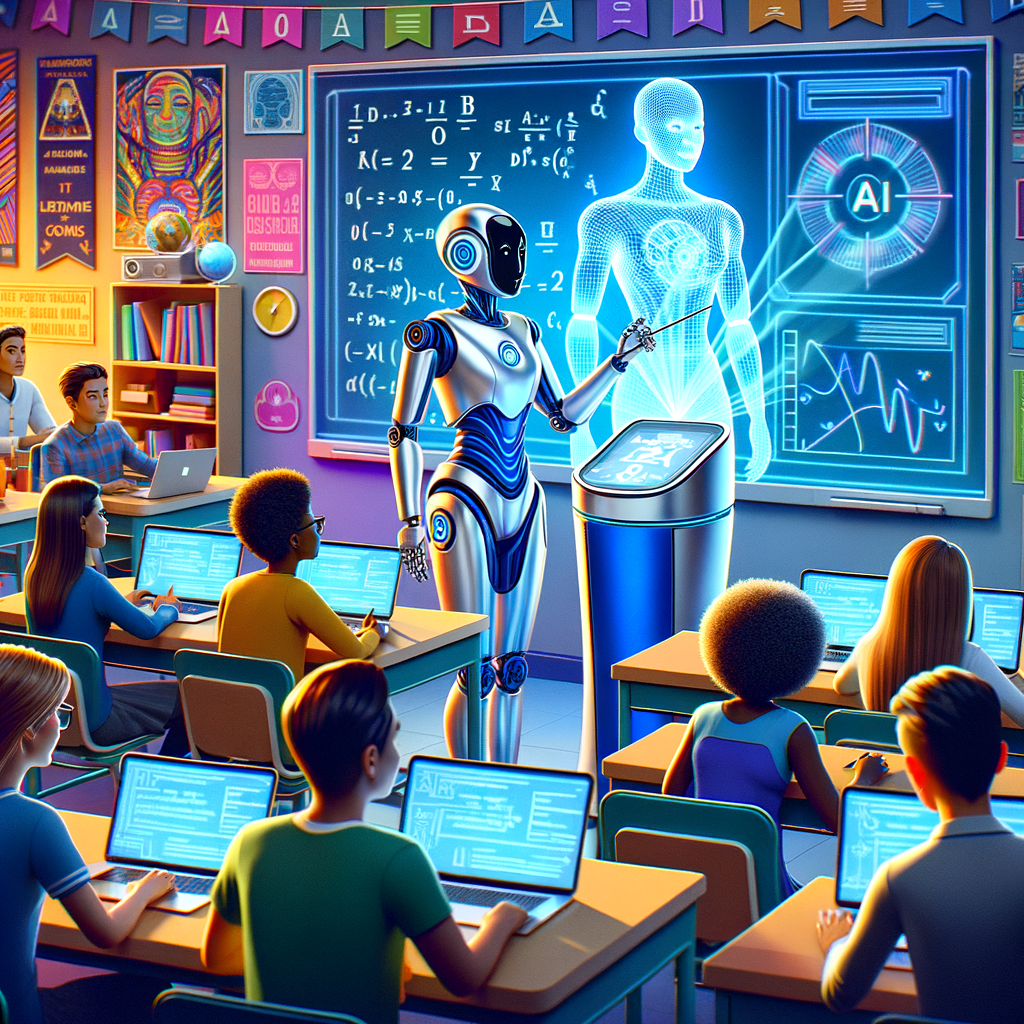
Gamification in AI education has emerged as a transformative approach to learning, blending the engaging elements of game design with the rigorous demands of artificial intelligence studies. This innovative method leverages the intrinsic motivation that games naturally evoke, thereby fostering a more interactive and immersive educational experience. As AI continues to permeate various sectors, the need for effective and engaging educational strategies becomes increasingly critical. Gamification addresses this need by making complex AI concepts more accessible and enjoyable for learners of all ages.
One of the primary benefits of gamification in AI education is its ability to enhance student engagement. Traditional educational methods often struggle to maintain student interest, particularly when dealing with abstract and challenging subjects like AI. By incorporating game mechanics such as points, badges, leaderboards, and levels, educators can create a more dynamic and stimulating learning environment. These elements not only make learning more enjoyable but also provide immediate feedback, which is crucial for reinforcing knowledge and skills. Consequently, students are more likely to stay motivated and persist through difficult topics.
Moreover, gamification facilitates experiential learning, which is essential for mastering AI concepts. Through simulations and interactive scenarios, students can experiment with AI algorithms and witness their real-world applications. For instance, a gamified AI course might include a module where students develop and train their own machine learning models to solve specific problems. This hands-on approach allows learners to apply theoretical knowledge in practical contexts, thereby deepening their understanding and retention of the material. Additionally, the iterative nature of games encourages students to learn from their mistakes and continuously improve their performance.
Furthermore, gamification in AI education promotes collaboration and social learning. Many gamified platforms incorporate multiplayer features, enabling students to work together on projects, compete in challenges, and share their achievements. This collaborative aspect not only enhances the learning experience but also mirrors the collaborative nature of real-world AI development. By working in teams, students can develop essential soft skills such as communication, problem-solving, and critical thinking, which are invaluable in the field of AI.
Another significant advantage of gamification is its ability to personalize the learning experience. Adaptive learning technologies can tailor the difficulty and content of educational games to match the individual needs and progress of each student. This personalized approach ensures that learners remain challenged yet not overwhelmed, thereby optimizing their educational journey. For example, an AI-powered gamified platform might analyze a student’s performance and adjust the complexity of tasks accordingly, providing a customized learning path that maximizes their potential.
Despite its numerous benefits, the implementation of gamification in AI education is not without challenges. Developing high-quality educational games requires substantial resources, including time, expertise, and financial investment. Additionally, there is a risk of overemphasizing the entertainment aspect at the expense of educational value. Therefore, it is crucial for educators and developers to strike a balance between engagement and learning outcomes. Careful design and continuous evaluation are essential to ensure that gamified educational tools effectively convey AI concepts while maintaining student interest.
In conclusion, gamification represents a promising approach to AI education, offering a range of benefits from increased engagement and experiential learning to enhanced collaboration and personalized instruction. As the field of AI continues to evolve, so too must our educational strategies. By harnessing the power of gamification, we can create more effective and enjoyable learning experiences that prepare students for the challenges and opportunities of the AI-driven future.
AI And Student Data Privacy
The integration of artificial intelligence (AI) in education has revolutionized the way students learn and teachers instruct. However, as AI systems become more prevalent in educational settings, concerns about student data privacy have emerged. These concerns are not unfounded, given the vast amounts of personal information that AI systems can collect, analyze, and store. Consequently, it is imperative to address the implications of AI on student data privacy to ensure that the benefits of these technologies do not come at the expense of students’ rights and security.
To begin with, AI in education often involves the collection of extensive data on students’ academic performance, behavior, and even personal characteristics. This data is used to create personalized learning experiences, identify areas where students may need additional support, and predict future academic outcomes. While these applications can significantly enhance educational outcomes, they also raise questions about who has access to this data and how it is being used. For instance, there is a risk that sensitive information could be misused by unauthorized parties or that data could be sold to third-party companies without the students’ or their guardians’ consent.
Moreover, the storage and processing of student data by AI systems necessitate robust security measures to prevent data breaches. Educational institutions must implement stringent data protection protocols to safeguard against cyber-attacks and unauthorized access. This includes employing encryption technologies, regularly updating security systems, and conducting thorough audits to identify potential vulnerabilities. Additionally, it is crucial for schools to educate both staff and students about best practices for data security to foster a culture of vigilance and responsibility.
In addition to technical safeguards, there is a need for clear and comprehensive policies governing the use of AI in education. These policies should outline the types of data that can be collected, the purposes for which the data can be used, and the rights of students and their families regarding their data. Transparency is key; students and parents should be fully informed about how their data is being used and should have the ability to opt-out of data collection if they so choose. Furthermore, policies should ensure that data is anonymized wherever possible to protect students’ identities.
Another critical aspect to consider is the ethical use of AI in education. AI systems should be designed and implemented in ways that respect students’ privacy and autonomy. This includes avoiding the use of AI for surveillance purposes or for making high-stakes decisions without human oversight. Ethical guidelines should be established to ensure that AI is used to support and enhance the educational experience rather than to monitor or control students.
Finally, collaboration between various stakeholders is essential to address the challenges of student data privacy in the age of AI. This includes educators, policymakers, technology developers, and privacy advocates working together to create a balanced approach that maximizes the benefits of AI while minimizing risks. By fostering open dialogue and cooperation, it is possible to develop solutions that protect student data privacy without stifling innovation in educational technology.
In conclusion, while AI has the potential to transform education in profound ways, it is crucial to address the associated privacy concerns. By implementing robust security measures, establishing clear policies, adhering to ethical guidelines, and fostering collaboration among stakeholders, it is possible to harness the power of AI in education while safeguarding students’ data privacy. This balanced approach will ensure that the integration of AI in education is both effective and responsible, ultimately benefiting students and educators alike.
Ethical Considerations In AI Education
As artificial intelligence (AI) continues to permeate various aspects of society, the importance of integrating AI education into academic curricula has become increasingly evident. However, the rapid advancement of AI technologies brings with it a host of ethical considerations that educators and policymakers must address to ensure that AI education is both responsible and equitable. These ethical considerations span a range of issues, from data privacy and algorithmic bias to the broader societal impacts of AI deployment.
To begin with, data privacy is a paramount concern in AI education. AI systems often rely on vast amounts of data to function effectively, and this data can include sensitive personal information. Educators must emphasize the importance of data privacy and teach students how to handle data responsibly. This includes understanding the principles of data anonymization, consent, and the ethical implications of data collection and usage. By instilling these values early on, students can develop a strong ethical foundation that will guide their future work in AI.
Another critical ethical issue is algorithmic bias. AI systems are only as good as the data they are trained on, and if this data is biased, the resulting algorithms can perpetuate and even exacerbate existing inequalities. For instance, biased data can lead to discriminatory practices in areas such as hiring, lending, and law enforcement. Therefore, AI education must include a thorough examination of how biases can enter AI systems and the methods for mitigating these biases. This involves teaching students about diverse data sets, fairness in machine learning, and the importance of transparency in AI models.
Moreover, the societal impacts of AI deployment cannot be overlooked. AI has the potential to transform industries and improve lives, but it also poses risks such as job displacement and increased surveillance. Educators must prepare students to think critically about the broader implications of AI technologies. This includes exploring the ethical dilemmas associated with AI, such as the balance between innovation and regulation, and the potential for AI to both solve and create societal problems. By fostering a holistic understanding of AI’s impact, students can become more conscientious developers and users of AI technologies.
In addition to these specific ethical issues, there is a broader need for inclusivity in AI education. The field of AI has historically been dominated by certain demographics, leading to a lack of diverse perspectives. To address this, educational institutions must strive to create inclusive learning environments that encourage participation from underrepresented groups. This can be achieved through targeted outreach programs, scholarships, and mentorship opportunities. By promoting diversity in AI education, we can ensure that the development of AI technologies benefits from a wide range of viewpoints and experiences.
Furthermore, the ethical considerations in AI education extend to the responsibility of educators themselves. Teachers and professors must stay informed about the latest developments in AI and continuously update their curricula to reflect current ethical standards. This requires ongoing professional development and collaboration with industry experts. Additionally, educators must model ethical behavior in their own work, demonstrating the importance of integrity and accountability in the field of AI.
In conclusion, the ethical considerations in AI education are multifaceted and require a comprehensive approach. By addressing issues such as data privacy, algorithmic bias, societal impacts, inclusivity, and the responsibilities of educators, we can create a more ethical and equitable AI landscape. As AI continues to evolve, it is imperative that we equip the next generation of AI professionals with the knowledge and values needed to navigate the complex ethical terrain of this transformative technology.
AI Tools For Teacher Professional Development
Artificial Intelligence (AI) has become an integral part of various sectors, and education is no exception. As the landscape of education evolves, the professional development of teachers must also adapt to incorporate new technologies. AI tools offer a promising avenue for enhancing teacher professional development, providing innovative solutions that can transform traditional methods of training and continuous learning.
One of the primary benefits of AI tools in teacher professional development is the ability to personalize learning experiences. Traditional professional development programs often adopt a one-size-fits-all approach, which may not address the specific needs of individual teachers. AI can analyze data on teachers’ performance, preferences, and areas for improvement, thereby tailoring professional development programs to meet their unique requirements. This personalized approach ensures that teachers receive relevant and targeted training, ultimately leading to more effective teaching practices.
Moreover, AI tools can facilitate continuous learning and development. Unlike conventional professional development sessions that occur sporadically, AI-driven platforms can provide ongoing support and resources. For instance, AI-powered recommendation systems can suggest articles, courses, and workshops based on a teacher’s interests and professional goals. This continuous access to learning materials helps teachers stay updated with the latest educational trends and methodologies, fostering a culture of lifelong learning.
In addition to personalized learning and continuous development, AI tools can also enhance collaboration among educators. AI-driven platforms can connect teachers with peers who have similar interests or face similar challenges, enabling them to share insights and best practices. Virtual communities and forums powered by AI can facilitate discussions and knowledge exchange, creating a supportive network for professional growth. This collaborative environment not only enriches teachers’ professional development but also promotes a sense of community and shared purpose.
Furthermore, AI tools can provide valuable feedback and assessment. Traditional methods of evaluating teacher performance often rely on periodic observations and assessments, which may not capture the full scope of a teacher’s abilities. AI can offer real-time feedback by analyzing classroom interactions, student engagement, and other relevant metrics. This immediate and data-driven feedback allows teachers to make timely adjustments to their teaching strategies, thereby improving their effectiveness. Additionally, AI can identify patterns and trends in teaching practices, helping educators understand their strengths and areas for improvement.
Another significant advantage of AI tools in teacher professional development is the potential for scalability. Implementing large-scale professional development programs can be challenging due to logistical constraints and resource limitations. However, AI-driven platforms can deliver training and support to a vast number of teachers simultaneously, regardless of their geographical location. This scalability ensures that all teachers, regardless of their circumstances, have access to high-quality professional development opportunities.
Despite the numerous benefits, it is essential to acknowledge the challenges associated with integrating AI tools into teacher professional development. Issues such as data privacy, the digital divide, and the need for adequate training on using AI tools must be addressed to ensure successful implementation. Nevertheless, with careful planning and consideration, these challenges can be mitigated, allowing educators to fully harness the potential of AI for their professional growth.
In conclusion, AI tools offer a transformative approach to teacher professional development by providing personalized learning experiences, facilitating continuous development, enhancing collaboration, offering valuable feedback, and ensuring scalability. As the education sector continues to embrace technological advancements, the integration of AI in professional development programs will play a crucial role in empowering teachers and improving educational outcomes.
The Role Of AI In Special Education
Artificial Intelligence (AI) has emerged as a transformative force in various sectors, and its impact on special education is particularly noteworthy. The integration of AI in special education is not merely a technological advancement but a significant step towards inclusivity and personalized learning. By leveraging AI, educators can address the unique needs of students with disabilities, thereby fostering an environment where every learner has the opportunity to succeed.
One of the primary benefits of AI in special education is its ability to provide personalized learning experiences. Traditional educational methods often fall short in catering to the diverse needs of students with disabilities. However, AI-driven tools can analyze individual learning patterns and adapt instructional content accordingly. For instance, AI algorithms can assess a student’s strengths and weaknesses, subsequently tailoring lessons to enhance their learning experience. This level of customization ensures that students receive the support they need, thereby improving their academic outcomes.
Moreover, AI-powered assistive technologies have revolutionized the way students with disabilities interact with educational content. Speech recognition software, for example, can assist students with speech impairments by converting spoken words into text, facilitating better communication and comprehension. Similarly, text-to-speech applications can aid visually impaired students by reading out written content, making learning materials more accessible. These technologies not only enhance the learning experience but also promote independence among students with disabilities.
In addition to personalized learning and assistive technologies, AI can also play a crucial role in early diagnosis and intervention. Early identification of learning disabilities is essential for effective intervention, and AI can significantly expedite this process. Machine learning algorithms can analyze vast amounts of data, including academic performance and behavioral patterns, to identify potential learning disabilities at an early stage. Early diagnosis enables educators and parents to implement appropriate interventions, thereby mitigating the impact of the disability on the student’s academic journey.
Furthermore, AI can facilitate better communication between educators, parents, and students. AI-driven platforms can provide real-time updates on a student’s progress, enabling educators to make informed decisions about their instructional strategies. Parents, too, can stay informed about their child’s development, fostering a collaborative approach to education. This seamless communication ensures that all stakeholders are aligned in their efforts to support the student’s learning journey.
Despite the numerous advantages, the integration of AI in special education is not without challenges. One of the primary concerns is the ethical implications of using AI, particularly regarding data privacy. The collection and analysis of student data necessitate stringent measures to ensure confidentiality and prevent misuse. Additionally, there is a need for continuous monitoring and evaluation of AI tools to ensure their effectiveness and fairness. Educators must also receive adequate training to effectively utilize AI technologies, thereby maximizing their potential benefits.
In conclusion, the role of AI in special education is multifaceted and holds immense promise for enhancing the learning experiences of students with disabilities. By providing personalized learning, assistive technologies, early diagnosis, and improved communication, AI can significantly contribute to creating an inclusive educational environment. However, it is imperative to address the associated challenges to fully harness the potential of AI in special education. As technology continues to evolve, the collaboration between educators, technologists, and policymakers will be crucial in shaping the future of special education, ensuring that every student has the opportunity to thrive.
How AI Is Transforming Homework Help
Artificial Intelligence (AI) is revolutionizing various sectors, and education is no exception. One of the most significant impacts of AI in education is its transformation of homework help. This transformation is not only enhancing the learning experience for students but also providing invaluable support to educators. By leveraging AI, homework help is becoming more personalized, efficient, and accessible, thereby addressing some of the longstanding challenges in education.
To begin with, AI-powered tools are making homework help more personalized. Traditional methods of homework assistance often involve a one-size-fits-all approach, which may not cater to the individual needs of each student. However, AI algorithms can analyze a student’s performance, learning style, and areas of difficulty to provide tailored support. For instance, AI-driven platforms can offer customized practice problems, interactive tutorials, and instant feedback, ensuring that students receive the specific help they need. This level of personalization not only enhances understanding but also boosts confidence and motivation.
Moreover, AI is significantly improving the efficiency of homework help. In the past, students had to wait for teachers or tutors to review their work and provide feedback, which could be time-consuming. AI, on the other hand, can instantly evaluate assignments and offer detailed explanations. This immediate feedback allows students to correct mistakes and grasp concepts more quickly. Additionally, AI can identify patterns in a student’s errors and suggest targeted resources to address those issues. This proactive approach helps prevent the accumulation of knowledge gaps, thereby fostering a more robust learning foundation.
In addition to personalization and efficiency, AI is making homework help more accessible. Traditional tutoring services can be expensive and may not be available to all students, particularly those in underserved communities. AI-powered platforms, however, can provide high-quality educational support at a fraction of the cost. These platforms are often available 24/7, allowing students to seek help whenever they need it, regardless of their location. This increased accessibility ensures that more students have the opportunity to succeed academically.
Furthermore, AI is supporting educators by alleviating some of their workload. Teachers often spend a significant amount of time grading assignments and providing feedback, which can detract from their ability to focus on instruction and student engagement. AI can automate these tasks, allowing teachers to dedicate more time to developing lesson plans and interacting with students. Additionally, AI can provide educators with valuable insights into student performance, enabling them to identify trends and tailor their teaching strategies accordingly. This data-driven approach enhances the overall effectiveness of instruction.
While the benefits of AI in homework help are substantial, it is important to acknowledge potential challenges. For instance, there are concerns about data privacy and the ethical use of AI in education. Ensuring that student data is protected and used responsibly is paramount. Moreover, the reliance on AI should not replace the human element in education. Teachers and tutors play a crucial role in providing emotional support and fostering critical thinking skills, which AI cannot replicate.
In conclusion, AI is transforming homework help by making it more personalized, efficient, and accessible. These advancements are not only benefiting students but also supporting educators in their efforts to provide high-quality education. As AI continues to evolve, it is essential to address potential challenges and ensure that its integration into education is done thoughtfully and ethically. By doing so, we can harness the full potential of AI to enhance the learning experience and promote academic success for all students.
AI-Powered Personalized Learning
Artificial Intelligence (AI) has revolutionized numerous sectors, and education is no exception. One of the most promising applications of AI in education is personalized learning, which tailors educational experiences to meet the unique needs of each student. This approach contrasts sharply with traditional, one-size-fits-all educational models, offering a more customized and effective learning experience.
AI-powered personalized learning systems leverage vast amounts of data to understand individual student behaviors, preferences, and learning styles. By analyzing this data, these systems can identify strengths and weaknesses, allowing educators to create customized learning plans. For instance, if a student struggles with algebra but excels in geometry, the AI system can allocate more resources and time to algebra while providing advanced materials for geometry. This targeted approach not only enhances learning outcomes but also keeps students engaged by addressing their specific needs.
Moreover, AI-driven platforms can adapt in real-time. As students interact with the system, it continuously collects data and refines its understanding of their learning patterns. This dynamic adaptability ensures that the educational content remains relevant and challenging, thereby fostering a more effective learning environment. For example, if a student quickly grasps a particular concept, the system can introduce more complex topics to maintain an appropriate level of challenge. Conversely, if a student is struggling, the system can provide additional resources or alternative explanations to aid comprehension.
In addition to tailoring content, AI-powered personalized learning systems can offer various forms of support. Intelligent tutoring systems, for example, provide immediate feedback and guidance, much like a human tutor would. These systems can answer questions, offer hints, and even provide step-by-step solutions to problems. This immediate feedback loop is crucial for reinforcing learning and correcting misunderstandings before they become ingrained.
Furthermore, AI can facilitate differentiated instruction, a pedagogical approach that involves providing different students with different avenues to learning, often in the same classroom. By analyzing data on student performance and engagement, AI can help teachers design lessons that cater to diverse learning styles and abilities. This ensures that all students, regardless of their starting point, have the opportunity to succeed.
Another significant advantage of AI-powered personalized learning is its potential to democratize education. By making high-quality, customized educational experiences accessible to a broader audience, AI can help bridge the gap between different socio-economic groups. Students in under-resourced schools, for instance, can benefit from the same level of personalized attention and support as those in more affluent institutions. This democratization of education can contribute to greater equity and inclusivity in the educational landscape.
However, the implementation of AI in personalized learning is not without challenges. Data privacy and security are paramount concerns, as these systems rely on extensive data collection. Ensuring that student data is protected and used ethically is crucial. Additionally, there is the risk of over-reliance on technology, which could potentially undermine the role of human educators. It is essential to strike a balance, leveraging AI to enhance, rather than replace, traditional teaching methods.
In conclusion, AI-powered personalized learning represents a significant advancement in the field of education. By tailoring educational experiences to individual needs, these systems can improve learning outcomes, increase engagement, and promote equity. While challenges remain, the potential benefits of AI in personalized learning are substantial, offering a promising glimpse into the future of education.
The Future Of AI In Classrooms
The integration of artificial intelligence (AI) into educational settings is poised to revolutionize the way students learn and teachers instruct. As AI technology continues to advance, its potential applications in classrooms are becoming increasingly apparent, promising to enhance educational experiences and outcomes. This transformation is not merely a futuristic vision but a burgeoning reality that is gradually taking shape in various educational institutions around the world.
One of the most significant impacts of AI in classrooms is its ability to provide personalized learning experiences. Traditional teaching methods often struggle to cater to the diverse needs of individual students, leading to a one-size-fits-all approach. However, AI-driven educational tools can analyze a student’s learning style, pace, and comprehension levels, thereby tailoring instructional content to meet their specific needs. This personalized approach ensures that students receive the appropriate level of challenge and support, fostering a more effective and engaging learning environment.
Moreover, AI can assist teachers by automating administrative tasks, allowing them to focus more on instruction and student interaction. Grading assignments, tracking attendance, and managing classroom logistics are time-consuming activities that can detract from the core educational mission. AI-powered systems can efficiently handle these tasks, providing real-time feedback and analytics that help educators make informed decisions about their teaching strategies. Consequently, teachers can devote more time to developing creative lesson plans and addressing individual student concerns.
In addition to enhancing personalized learning and administrative efficiency, AI has the potential to democratize education by making high-quality resources accessible to a broader audience. Through AI-driven platforms, students from various socio-economic backgrounds can access interactive and adaptive learning materials that were previously out of reach. This democratization of education can help bridge the gap between different educational systems and provide equal opportunities for all students, regardless of their geographical location or financial status.
Furthermore, AI can facilitate the development of innovative teaching methods that were previously unimaginable. For instance, virtual reality (VR) and augmented reality (AR) technologies, powered by AI, can create immersive learning experiences that bring abstract concepts to life. Students can explore historical events, conduct virtual science experiments, or even practice language skills with AI-driven conversational agents. These interactive and engaging methods can significantly enhance comprehension and retention, making learning more enjoyable and effective.
However, the integration of AI in classrooms is not without its challenges. Concerns about data privacy and security are paramount, as AI systems often require access to sensitive student information to function effectively. Ensuring that this data is protected and used ethically is crucial to maintaining trust and safeguarding students’ rights. Additionally, there is the issue of digital equity, as not all schools have the necessary infrastructure or resources to implement AI technologies. Addressing these disparities is essential to ensure that the benefits of AI in education are universally accessible.
Moreover, the role of teachers in an AI-enhanced classroom must be carefully considered. While AI can provide valuable support, it cannot replace the human touch that is integral to education. Teachers play a crucial role in fostering critical thinking, creativity, and emotional intelligence, aspects that AI cannot replicate. Therefore, the future of AI in classrooms should be viewed as a collaborative partnership between technology and educators, where AI serves as a tool to augment and enhance the teaching and learning process.
In conclusion, the future of AI in classrooms holds immense promise for transforming education. By providing personalized learning experiences, automating administrative tasks, democratizing access to resources, and enabling innovative teaching methods, AI has the potential to significantly improve educational outcomes. However, it is essential to address the challenges associated with data privacy, digital equity, and the evolving role of teachers to ensure that the integration of AI in education is both effective and equitable. As we navigate this transformative journey, the collaboration between technology and human educators will be key to unlocking the full potential of AI in classrooms.
Q&A
1. **What is AI education?**
AI education refers to the teaching and learning of artificial intelligence concepts, techniques, and applications.
2. **Why is AI education important?**
AI education is important because it prepares individuals to understand, develop, and apply AI technologies, which are increasingly integral to various industries and aspects of daily life.
3. **What are the key components of AI education?**
Key components include machine learning, neural networks, natural language processing, robotics, and data science.
4. **At what educational levels is AI education offered?**
AI education is offered at various levels, including K-12, undergraduate, graduate, and professional development courses.
5. **What programming languages are commonly taught in AI education?**
Common programming languages include Python, R, Java, and C++.
6. **What are some popular AI education platforms?**
Popular platforms include Coursera, edX, Udacity, and Khan Academy.
7. **What is machine learning in the context of AI education?**
Machine learning is a subset of AI that involves training algorithms to learn from and make predictions based on data.
8. **What role do ethics play in AI education?**
Ethics are crucial in AI education to ensure that AI technologies are developed and used responsibly and fairly.
9. **What are neural networks?**
Neural networks are computing systems inspired by the human brain’s structure, used to recognize patterns and solve complex problems.
10. **How is AI education integrated into K-12 curricula?**
AI education in K-12 is integrated through coding classes, robotics clubs, and specialized AI modules in science and math courses.
11. **What is natural language processing (NLP)?**
NLP is a field of AI focused on the interaction between computers and humans through natural language.
12. **What are some career opportunities in AI?**
Career opportunities include data scientist, machine learning engineer, AI researcher, and robotics engineer.
13. **What is the role of data science in AI education?**
Data science involves collecting, analyzing, and interpreting large sets of data, which is fundamental for training AI models.
14. **What are some challenges in AI education?**
Challenges include keeping up with rapid technological advancements, ensuring accessibility, and addressing ethical concerns.
15. **How can educators stay updated on AI advancements?**
Educators can stay updated through professional development courses, attending conferences, and participating in online AI communities.
Conclusion
AI education is essential for preparing individuals to navigate and contribute to a rapidly evolving technological landscape. It equips learners with the knowledge and skills necessary to understand, develop, and ethically apply artificial intelligence technologies. By fostering critical thinking, problem-solving abilities, and ethical considerations, AI education ensures that future generations can harness the potential of AI responsibly and innovatively, driving progress across various sectors while addressing societal challenges.